You may wonder if it’s possible to fix your teeth without visiting a dentist. While there are various home remedies and over-the-counter products that can provide temporary relief or improvement, it’s important to understand their limitations. This blog post will explore the options available for managing dental issues at home, the best practices to consider, and when it’s necessary to seek professional help to ensure your oral health is properly maintained.
Key Takeaways:
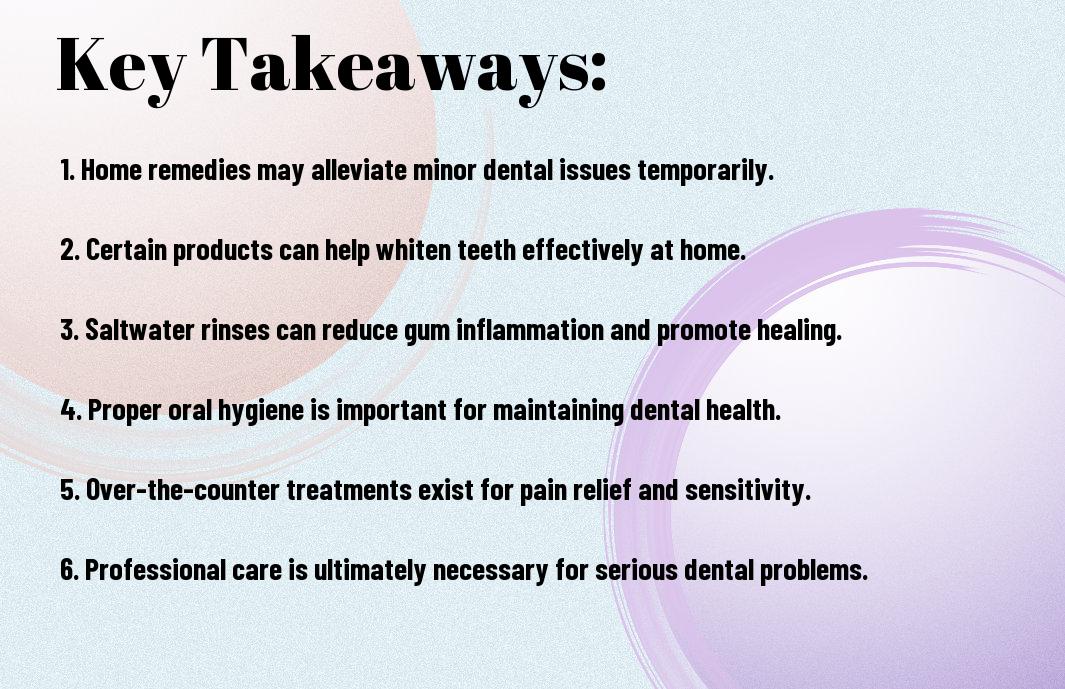
- Temporary Solutions: Some home remedies can provide temporary relief for dental issues but do not replace professional care.
- Basic Oral Hygiene: Maintaining good oral hygiene practices is crucial in preventing further damage to teeth.
- Over-the-Counter Products: Various over-the-counter dental products are available, such as fillings and whitening kits, that might help with minor issues.
- Risk of Improper Treatment: Attempting to fix dental problems without professional guidance can lead to complications or worsening conditions.
- Professional Evaluation: Visiting a dentist for a comprehensive evaluation is always the best approach for serious dental issues.
Understanding Dental Health
Before you launch on any dental care routine, it’s important to understand the fundamentals of dental health. Your teeth, gums, and the surrounding oral structures require proper care to function optimally. Neglecting these aspects can lead to a cascade of problems that may affect not only your mouth but also your overall well-being.
Importance of Oral Hygiene
Between regular brushing, flossing, and routine check-ups, maintaining oral hygiene is imperative for preventing dental issues. By focusing on your daily habits, you can effectively reduce the risk of cavities and gum disease, allowing you to enjoy better oral health and a brighter smile.
Common Dental Issues
After understanding the basics of oral hygiene, it’s important to be aware of common dental issues that can arise. Conditions such as tooth decay, gum disease, and tooth sensitivity can impact your quality of life and often require professional intervention to resolve.
Dental problems can range from mild to severe, affecting anyone regardless of age. Tooth decay, often caused by poor hygiene habits, can lead to cavities that may require fillings if untreated. Gum disease starts with gingivitis and can progress to more serious conditions if you ignore the signs. Additionally, you might face issues like tooth sensitivity or misalignment, both of which can cause discomfort and affect your ability to eat or speak comfortably. Staying informed about these conditions helps you take preventive measures and seek appropriate care when needed.
Home Remedies for Minor Dental Problems
Even though dental visits are important for maintaining oral health, there are home remedies you can try for minor dental issues. These remedies can provide temporary relief and help you manage discomfort until you can see a dentist. By utilizing natural ingredients and methods, you can address some common problems like toothaches, sensitivity, and plaque buildup right from the comfort of your home.
Natural Toothpaste Alternatives
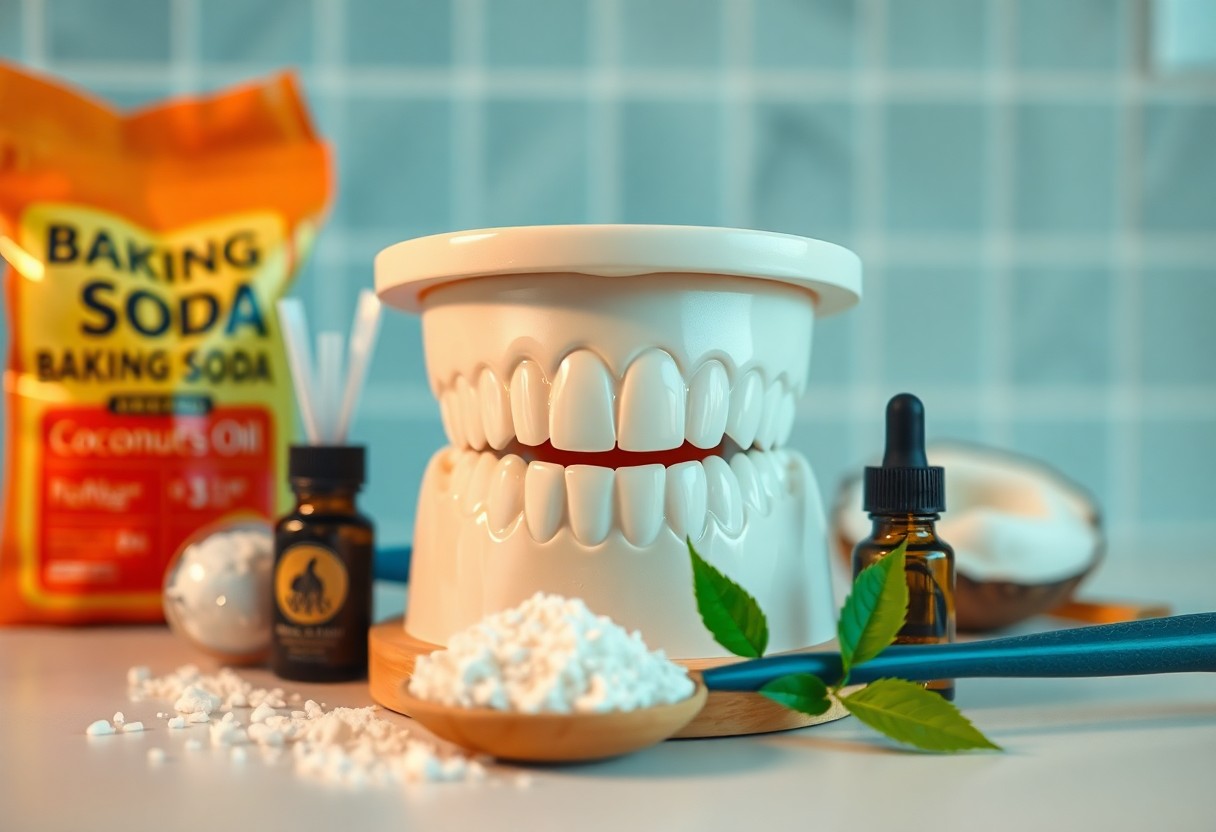
An effective way to maintain your oral hygiene is by using natural toothpaste alternatives. Items like baking soda, coconut oil, and important oils can serve as excellent substitutes. Baking soda acts as a gentle abrasive to remove stains, while coconut oil has antimicrobial properties that help reduce harmful bacteria in your mouth. You can mix these ingredients to create a paste that not only freshens your breath but also promotes healthier gums.
Clove Oil for Toothache Relief
On the other hand, if you’re experiencing a toothache, clove oil can be your go-to solution. This natural remedy has been used for centuries due to its analgesic and anti-inflammatory properties, which can help alleviate pain and reduce swelling in affected areas.
Relief from your toothache can be achieved by applying a small amount of clove oil directly to the affected tooth or gum area using a cotton swab. The eugenol present in clove oil acts as a natural anesthetic, numbing the pain while its antibacterial properties help combat infection. You can also dilute clove oil with a carrier oil, such as olive oil, for a gentler application. However, it is important to consult a dentist if the pain persists or worsens, as this could indicate a more serious underlying issue.
Preventive Measures
Not taking preventive measures can lead to serious dental issues that may require professional intervention. You can avoid these complications by adopting simple habits that promote oral health, such as regular brushing, flossing, and maintaining a balanced diet. By being proactive in your dental care routine, you not only enhance your smile but also protect your teeth from damage and decay.
Diet and Nutrition for Healthy Teeth
Any effective strategy for maintaining healthy teeth includes a well-balanced diet. Focus on consuming foods rich in vitamins and minerals, such as dairy products, leafy greens, and crunchy fruits and vegetables. These foods not only strengthen your teeth but also promote healthy gums, ultimately contributing to improved oral health.
Importance of Regular Brushing and Flossing
Flossing and brushing are integral parts of your oral hygiene routine. They help remove plaque and food particles that can accumulate between teeth and along the gum line, which is vital for avoiding cavities and gum disease. It’s important to brush your teeth at least twice a day and floss daily to keep your mouth clean and healthy.
This regular routine forms the foundation of good oral hygiene. By brushing thoroughly for two minutes and incorporating flossing into your routine, you can significantly reduce the risk of tooth decay and gum problems. It’s your responsibility to prioritize these practices for long-lasting oral health and a brighter smile.
Non-Dental Professional Treatments
Now, while visiting a dentist is always recommended for serious dental issues, there are non-dental professional treatments you can explore to maintain your oral health. These methods may help alleviate minor discomfort or improve your dental aesthetics without needing professional intervention. However, it’s imperative to approach these alternatives with caution and a basic understanding of their limitations.
Over-the-Counter Products
At your local pharmacy, you can find various over-the-counter products that assist with dental care. These include whitening strips, fluoride treatments, and desensitizing toothpaste designed to help manage different dental concerns. Using these products can be an effective way to maintain your teeth and gums between dental visits.
Therapeutic Mouth Rinses
By incorporating therapeutic mouth rinses into your daily routine, you can enhance your oral health significantly. These rinses are specifically formulated to target bacteria, reduce plaque build-up, and help prevent gum disease, offering a simple step you can take to support your dental hygiene.
For instance, rinsing with an antiseptic mouthwash containing chlorhexidine can help combat oral bacteria, making it an excellent addition for those at risk of gum disease. Other options, like fluoride rinses, can strengthen enamel and reduce the likelihood of cavities. Additionally, some mouth rinses are formulated with natural ingredients aimed at soothing oral irritation, providing gentle care without the need for professional help.
Myths and Misconceptions
Despite the internet’s abundance of home remedies and quick fixes, many myths and misconceptions surround the idea of fixing your teeth without a dentist. You might believe that over-the-counter products or natural solutions can effectively address dental issues. However, it’s crucial to understand that these methods often lack scientific backing and can lead to further complications. Your dental health is complex, and what works for one person may not be suitable for you. Always approach DIY solutions with caution and skepticism.
DIY Dentistry: Dos and Don’ts
Any attempt at DIY dentistry must be approached carefully. You should always prioritize hygiene and avoid using unverified or harsh substances on your teeth. It’s wise to consult research-backed information before trying any remedies. If you experience pain, swelling, or bleeding, don’t hesitate to seek professional help. Focus on preventive care like brushing and flossing rather than attempting complicated procedures on your own.
The Risks of Self-Treatment
Between the potential for worsening your dental condition and risking your overall health, self-treatment can be dangerous. While you may think you are fixing a minor issue, you could inadvertently cause more significant problems like infections, tooth loss, or structural damage. It’s easy to underestimate the complexity of dental issues, so even seemingly simple DIY solutions may lead to unwanted consequences.
Another consideration is the possibility of misdiagnosis. You might believe that your toothache stems from cavities, but it could be a signal of a more serious underlying issue, such as decay or infection. Undertaking self-treatment in these situations could delay necessary professional care, leading to complications that could require more extensive and costly interventions later. Protect your health by seeking the expertise of a dental professional whenever you encounter oral issues.
When to Seek Professional Help
After trying various home remedies for dental issues, you may find that some problems require the expertise of a dentist. If you experience persistent pain, swelling, or significant changes in your oral health, it’s time to consult a professional. Acting promptly can help prevent more serious complications and preserve your overall dental health.
Recognizing Serious Dental Issues
Along with routine care, being aware of warning signs in your mouth is important. If you notice prolonged pain, bleeding gums, or loose teeth, these conditions may indicate underlying problems that necessitate expert evaluation. Ignoring these symptoms could lead to more serious complications.
The Role of a Dentist in Oral Health
At the heart of maintaining optimal oral health is the expertise offered by your dentist. They possess the training and tools to diagnose and treat a wide range of dental issues, ensuring your mouth stays healthy and functional.
Understanding the role of a dentist goes beyond just treating immediate problems; they also provide preventive care, conduct routine check-ups, and educate you about proper oral hygiene practices. Your dentist can identify early signs of dental disease, advise on treatment plans, and offer solutions tailored to your specific needs, making their involvement important to your long-term dental well-being.
To wrap up
The possibility of addressing dental issues without a dentist exists, but it’s important to approach it with caution. You can explore various home remedies and oral hygiene practices that may improve your dental health, but they are not substitutes for professional care. If you’re interested in learning more, you can check out this link on How to fix bad teeth without visiting a dentist. Ultimately, an oral health professional is your best bet for effective and safe solutions.
FAQ
Q: Can I fix my teeth at home without visiting a dentist?
A: While there are various home remedies and over-the-counter products that claim to improve dental health, they should not be considered substitutes for professional dental care. Issues such as cavities, misalignment, or gum disease often require professional intervention. It’s important to consult a dentist for effective and safe treatments.
Q: What are some temporary solutions for tooth pain that don’t involve a dentist?
A: For temporary relief of tooth pain, you can try rinsing your mouth with warm salt water, applying a cold compress to the outside of your cheek, or using over-the-counter pain relievers. However, these methods only provide short-term relief and do not address the underlying problem that should be evaluated by a professional.
Q: Are there any natural remedies that can help in fixing minor dental issues?
A: Some people turn to natural remedies like clove oil for its analgesic properties or peppermint tea for its calming effect on oral discomfort. While these remedies may provide some relief for minor issues, they are not a substitute for dental care. It’s advisable to schedule an appointment with a dentist to properly assess and treat any dental problems.